
Creative Uses for Weaving Yarn Scraps
Transforming leftover weaving yarn into new projects keeps materials in use and sparks inventive designs. Anything from a strand under 30 centimeters to a heap of tangled ends qualifies as a scrap, though thicker bundles may open up more options. Many crafters face limits when scraps are too short for warp but still strong and colorful enough for decorative work. When scraps pile up, select projects that match their variety and length:
- Tassels – add texture and flair to bags, bookmarks, or scarves with bunches of short strands
- Woven patches – create small coasters or sample swatches from mixed leftover threads
- Miniature wall hangings – combine many short pieces to craft art for compact spaces
- Fringe accents – attach trimmed lengths along the edges of shawls or home textiles
Matching project scale to scrap size prevents wastage and reveals what each odd bit of yarn can contribute. Even the smallest fragment finds a use when paired with the right technique.
Yet there are times when no amount of careful matching seems to prevent wastage, and a few scraps still remain. In these cases, people discover creative ways to use each odd bit and often find themselves with extra time, which some choose to spend exploring online casino bonuses. During this exploration, they might encounter fieryplayfieryplay no deposit bonus and learn how the terms and conditions shape what they can actually withdraw. This keeps the spirit of resourcefulness alive, encouraging new possibilities both in crafting and beyond.
What counts as a yarn scrap
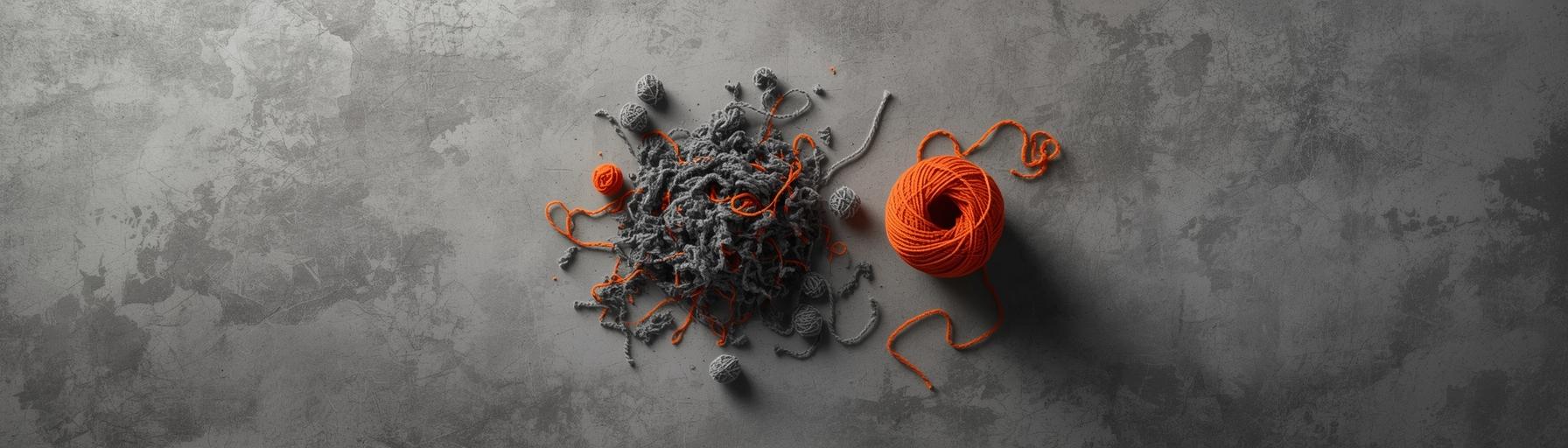
Discarded ends, tangled skeins, and leftover lengths from finished projects often crowd a weaver’s workspace. Some crafters overlook these remnants, assuming only large, pristine strands have value. Yet even the shortest or oddest pieces can offer surprising creative possibilities if chosen thoughtfully.
Minimum length for reuse
Cotton and wool yarns under four inches tend to fray or disappear between stitches. Some crafters assume anything shorter than a foot cannot anchor securely.
Lengths between four and six inches still work for visible texture in tapestry weaving. Shorter bits can accent tassels or add interest to fringed edges. Silk and acrylic fibers last longer even at minimal length, unlike loosely spun alpaca.
A six inch minimum often applies to methods like Russian join or needle felting, where anything less pulls loose. Woven potholders and tiny pompoms tolerate even smaller scraps–color variety matters more than length in these designs.
Material and project style both shift what counts as usable. Testing on a sample loom reveals how short a piece holds without unraveling.
Types of yarn best suited
Smooth, tightly spun acrylic and superwash wool yarns resist fraying and make color changes crisp in most projects. Highly textured or novelty yarns, such as boucle or eyelash, can complicate even simple patterns by tangling easily or hiding stitch detail.
- Acrylic and superwash wool resist breakage during weaving
- Mercerized cotton holds bright colors even in tiny scraps
- Sock yarn blends add stretch where flexibility matters
- Silky bamboo strands blend smoothly with most fibers
- Boucle and eyelash yarns snag and obscure stitches
- Loose spun textures shed fibers during handling
- Mixed material scraps sometimes shrink or felt unevenly
Sorting by fiber type instead of color group speeds up scrap selection. Scraps with a tight twist and smooth finish work best for visible, clean joins.
Yarn scraps become assets when their condition, fiber type, and length match the technique or project intended. Sorting leftovers by these traits leads to smoother weaving and less waste.
How to join yarn scraps seamlessly
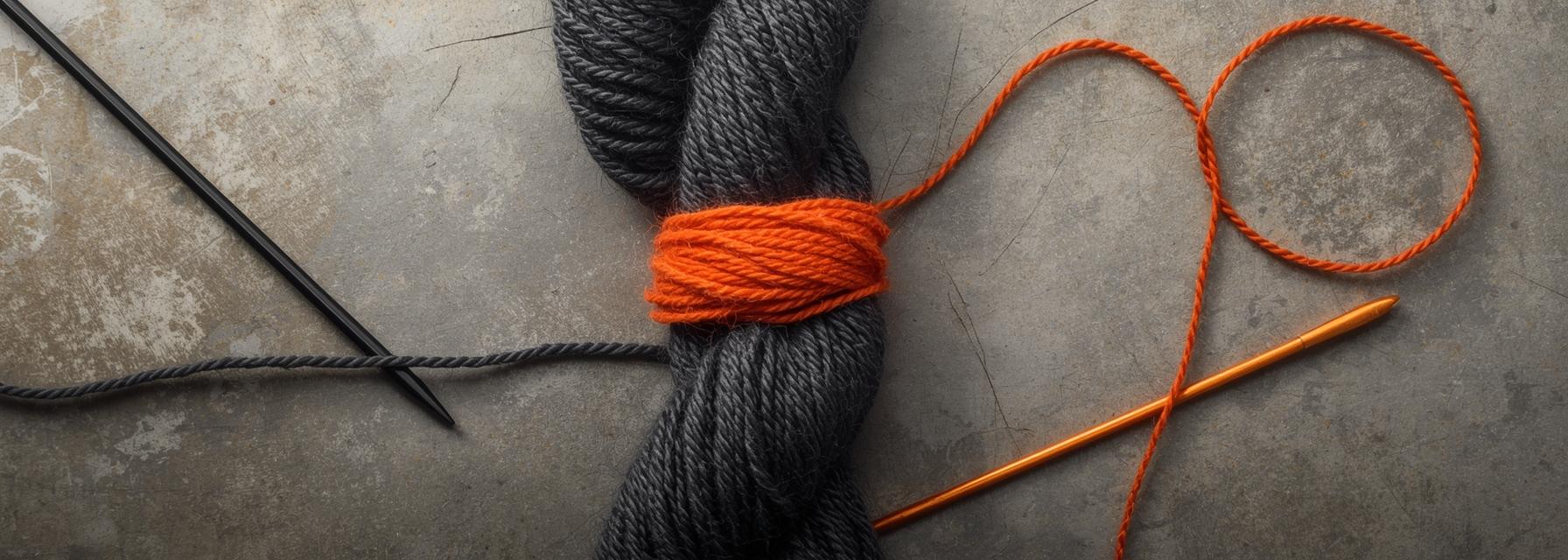
A seamless yarn join relies on matching the yarn thickness and using invisible techniques like the Russian join or felted splice. These methods produce a continuous strand without knots or obvious bumps.
The Russian join secures two ends by threading them through each other, making it ideal for smooth blends even with color changes. A felted splice works best with wool, fusing fibers together using moisture and friction; acrylic fibers need a different approach since they do not felt.
Poorly joined scraps often unravel or create awkward bulges that stand out in finished fabric. Durable, tidy joins ensure the project looks cohesive and intentional even when mixing many small leftovers.
Which projects work best for scraps
Small lengths of leftover weaving yarn unlock a range of possibilities beyond full-sized textiles. Decorative projects such as tassels and wall hangings thrive on the mix of colors and textures that scraps offer, while practical items like mug rugs or patchwork pouches put even the shortest strands to use. The character of each project depends on how well the scraps complement or contrast each other.
Decorative home accents
Projects that use less than a full skein of yarn allow for more flexibility in color mixing and texture. Unmatched lengths and fibers can create striking contrast or subtle blends, depending on placement and density.
| Project type | Minimum scrap length | Texture variation tolerance | Mistake forgiveness level | Visual impact |
|---|---|---|---|---|
| Wall hanging | 15 inches | High | Very high | Bold, layered |
| Coaster | 8 inches | Medium | High | Dense, patterned |
| Mini tassel garland | 6 inches | High | Medium | Playful, colorful |
| Yarn pom keychain | 10 inches | Low | Medium | Chunky, soft |
| Small woven bowl | 12 inches | Medium | Medium | Structured, eclectic |
Wall hangings hide the most color and length variation, while keychains show flaws more easily through uneven bulk. Coasters with a tight weave hold up to handling and highlight even tiny pieces in the pattern.
Functional items for daily use
Small quantities of leftover weaving yarn often match the size and strength needs of practical items like potholders or bookmarks. Uneven yarn thickness or inconsistent fiber content becomes less problematic when the finished object does not face heavy wear or weight.
- Minimal yarn waste for tightly woven potholders
- Bookmarks require only short, sturdy lengths
- Small bags with mixed textures offer unique grip and durability
- Quick to assemble with scraps of varied color and gauge
- Inconsistent fiber content can cause uneven shrinkage when washed
- Short yarn lengths may result in visible knots or joins
- Abrasion resistance varies widely, making some items unsuitable for repeated rough use
- Tension differences can distort shape, especially in tightly woven objects
This approach suits households where scraps are frequent and practical tools wear out quickly. Cotton yarns outperform synthetics for heat resistance in kitchen items.
Projects that embrace variety in color and texture often deliver the most satisfying results from scraps. Combining them in items with flexible structure, such as coasters or accent pieces, makes the most of every odd length.